Overview
There is a reason chemical peels keep coming up in skincare conversations, even though they have been around for decades. They work, and they work for a fairly wide range of concerns. But that wide range is also where the confusion starts. Not every peel is the same, and not every skin type responds to it the same way.
If you are considering a chemical peel treatment in Ashok Vihar, the question worth asking is not whether peels work. It is whether the right peel, at the right strength, is being used on your specific skin.
At Sarvi Luxe, this distinction matters a lot. Here is what you should actually know before booking one.
What a Chemical Peel Actually Does
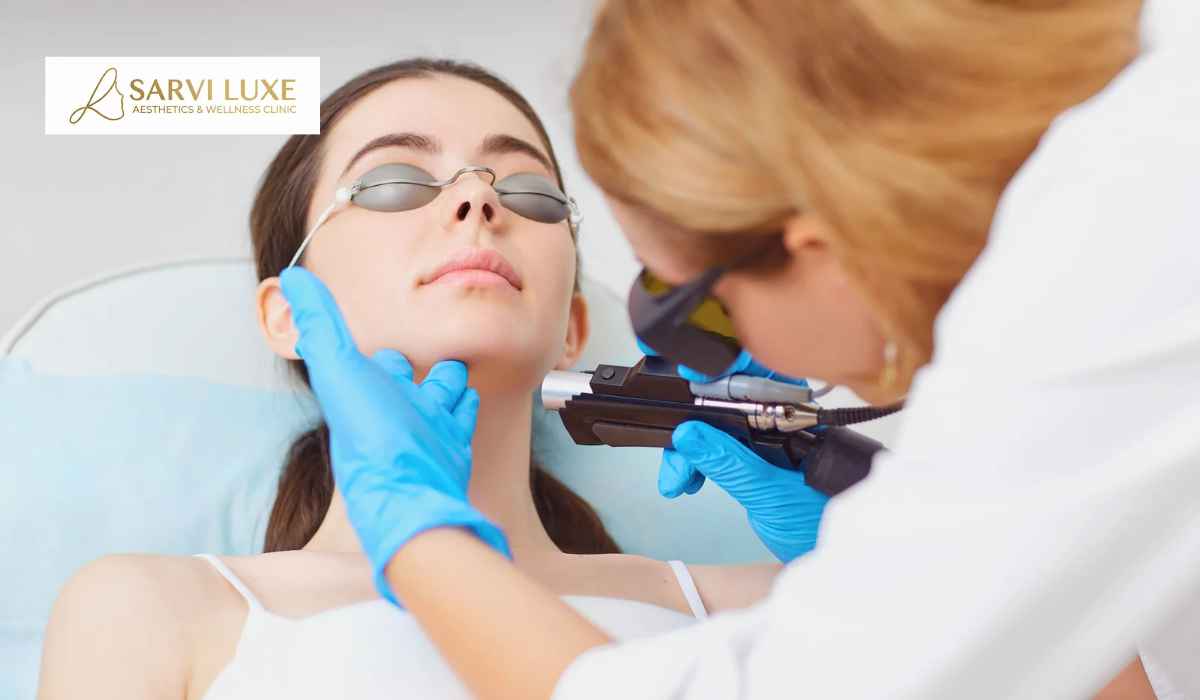
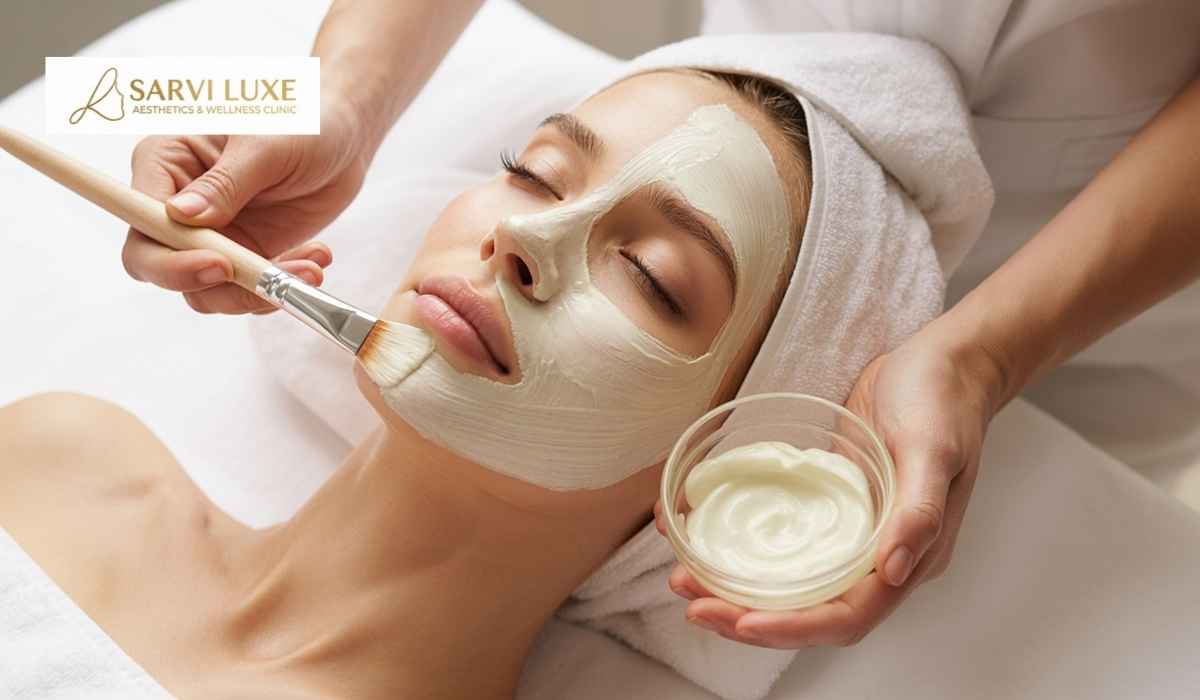
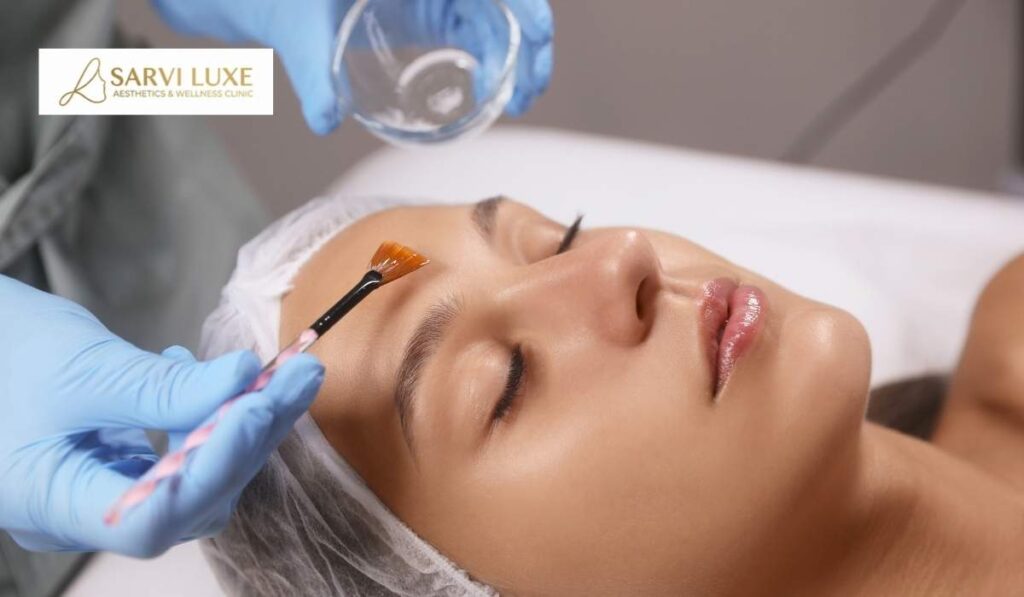
A chemical peel uses an exfoliating solution to remove the damaged outer layers of skin. As that top layer sheds, it makes way for fresher skin underneath, and it stimulates the skin to renew itself faster than it normally would.
Chemical peels at Sarvi Luxe are customized rather than applied as a single fixed formula. The depth and strength of the peel are adjusted depending on what your skin is dealing with and how it tends to react.
Who Actually Benefits From Chemical Peel Treatment
Acne and acne marks respond well to chemical peels for pigmentation because the exfoliation helps clear out clogged pores and fade the discolouration left behind after breakouts heal.
Pigmentation and dull, uneven tone are other major reasons people seek out skin resurfacing treatment in Delhi. Peels accelerate cell turnover, which helps fade dark spots and brings a more even tone to the surface over a series of sessions.
Fine lines and the early signs of aging also improve, since the renewed skin layer tends to look smoother and more refined.
If your skin tends to feel rough, textured, or just generally tired-looking, a peel often gives it a noticeable lift without requiring anything invasive.
Why Skin Type Changes the Approach
This is the part that gets skipped in a lot of general skincare advice. Indian skin, especially when it leans oily, acne-prone, or sensitive, does not respond to every peel the same way a lighter or less reactive skin type might.
A peel that is too aggressive on sensitive or darker skin tones can actually trigger more pigmentation rather than reducing it. This is why a proper consultation matters before any chemical peel treatment in Delhi is performed. At Sarvi Luxe, the team evaluates your skin tone, sensitivity level, and current concerns before deciding on the strength and type of peel.
This is also why peels done without a proper assessment sometimes leave people disappointed or, worse, dealing with new irritation. The treatment itself is not the problem. The mismatch between treatment and skin type is.
What to Expect From a Chemical Peel Session
During the Session
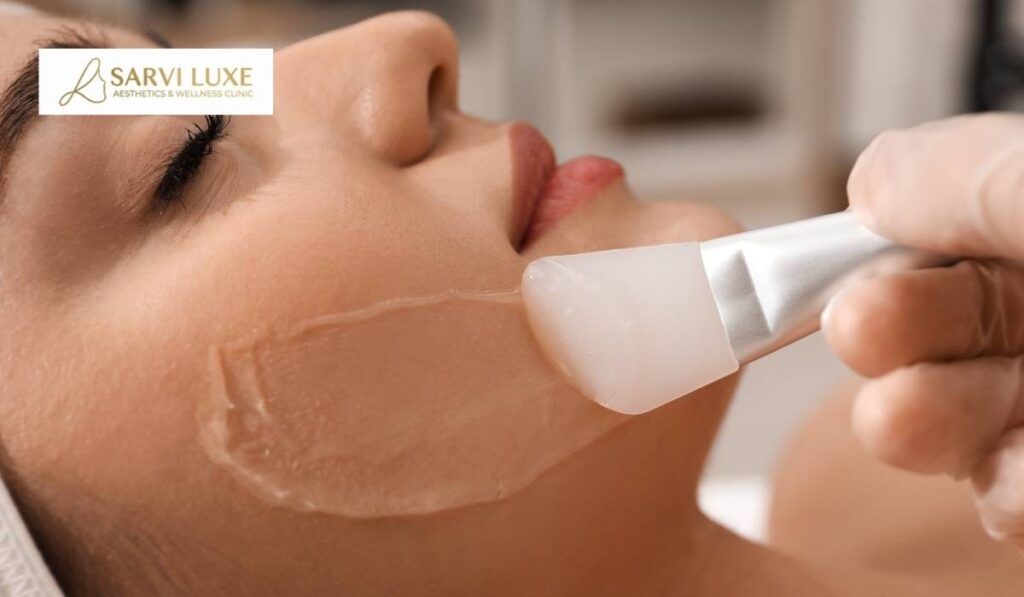
A typical peel session is quick, usually under an hour, with a mild tingling or warm sensation during application. Some peeling, light flaking, or temporary redness in the days following is normal and is part of the skin renewing itself.
Results Timeline
Results build gradually rather than instantly. Most people notice brighter, smoother skin within a week, with more visible improvement in tone and texture after a few sessions spaced a few weeks apart.
How Often Should You Get a Chemical Peel
This depends entirely on your skin and your goals. Acne-prone skin dealing with active breakouts might benefit from more frequent chemical peel treatment in Ashok Vihar initially. Someone managing pigmentation or general dullness might do well with a session every few weeks as part of an ongoing routine.
Sun protection after a peel is non-negotiable. Freshly exfoliated skin is more sensitive to UV exposure, and skipping SPF undoes a good portion of the benefit.
Benefits of Chemical Peel Treatment at a Glance
• Reduces acne marks and post-inflammatory pigmentation
• Fades dark spots and improves uneven skin tone
• Smooths rough texture and fine lines
• Customized peel strength for Indian skin types
• No surgical downtime — quick recovery
Conclusion
A chemical peel can genuinely transform how your skin looks and feels, but only when it is matched correctly to your skin type and concern. Going in without that assessment is where most disappointing results come from. A proper consultation changes that equation entirely.
| FAQ — CHEMICAL PEEL TREATMENT IN ASHOK VIHAR |
Q1. Is chemical peel treatment safe for Indian skin tones?
Yes, when the peel strength and type are chosen correctly. At Sarvi Luxe, peels are customized based on your specific skin tone and sensitivity to avoid triggering further pigmentation.
Q2. How many sessions will I need to see results?
It varies by concern. Mild dullness might show improvement within a couple of sessions. Pigmentation and acne marks usually need a structured course over several weeks.
Q3. Does a chemical peel hurt?
Most people feel a mild tingling or warmth during the treatment, which is generally well tolerated. Any discomfort is brief and subsides quickly after the session.
Q4. Can I wear makeup after a chemical peel?
It is best to avoid makeup for at least a day or two while the skin settles, and to follow the specific aftercare guidance given after your session.
Q5. What is the difference between a superficial and a deep chemical peel?
Superficial peels work on the outermost skin layer and are suitable for mild pigmentation and dullness. Deeper peels penetrate further for more significant texture or scarring concerns. The right type is determined during your consultation at Sarvi Luxe.
Q6. How soon will I see results after a chemical peel in Ashok Vihar?
Most people notice brighter, smoother skin within a week of their first session. Significant tone and texture improvements typically build over a series of sessions spaced a few weeks apart.
| Ready to get started? Book Your Chemical Peel Consultation at Sarvi Luxe, Ashok Vihar → |