You’ve tried everything to lighten the dark spots on your face. Expensive creams that claim to fade pigmentation. Sunscreen that you apply religiously. Avoiding the sun. Nothing seems to work. The spots either stay the same or come back after fading briefly with a treatment. At this point, you wonder if pigmentation is just something you have to accept or if there’s an actual treatment that addresses it properly.
Understanding what causes pigmentation to return and what treatments address the root issue helps you decide on the right approach. Pigmentation isn’t always simple hyperpigmentation that fades with topical treatment. Sometimes it’s melasma, which is more complex. Sometimes it’s sun damage that keeps accumulating. Sometimes it’s hormonal or lifestyle factors creating new pigmentation. Understanding your specific type of pigmentation and why it’s happening is the first step toward effective treatment.
Sarvi Luxe in Ashok Vihar offers pigmentation treatment as part of comprehensive skin care. The approach addresses both the pigmentation that exists and the factors causing it to return.
What Pigmentation Actually Is
Pigmentation occurs when melanin, the pigment that gives skin color, concentrates in certain areas, creating darker patches or spots. This happens when melanocytes, the cells that produce melanin, overproduce melanin in response to various triggers.
UV exposure is a trigger. Sun damage stimulates melanocytes to produce excess melanin, creating sun spots. Hormones are a trigger. Melasma, caused by hormonal changes, involves widespread melanin overproduction. Inflammation is a trigger. Skin irritation from products or trauma stimulates excess melanin production. Genetic predisposition is a factor. Some people’s melanocytes are simply more responsive to triggers.
Understanding your specific trigger is important because it affects what treatment approach works best.
Why Topical Treatments Often Don’t Fully Solve Pigmentation
Topical creams containing hydroquinone, kojic acid, vitamin C, or other lightening agents work by inhibiting melanin production in the superficial skin layers. They can lighten pigmentation gradually. But they work slowly, they only address surface pigmentation, and they often lose effectiveness over time.
Additionally, they don’t address the underlying trigger. If your pigmentation is hormonal, it will return when hormones shift. If it’s sun damage, it will progress if you continue sun exposure. If it’s inflammation, new pigmentation will develop if the inflammation isn’t controlled.
This is why topical treatments often provide temporary improvement but not a permanent solution.
Professional Pigmentation Treatments
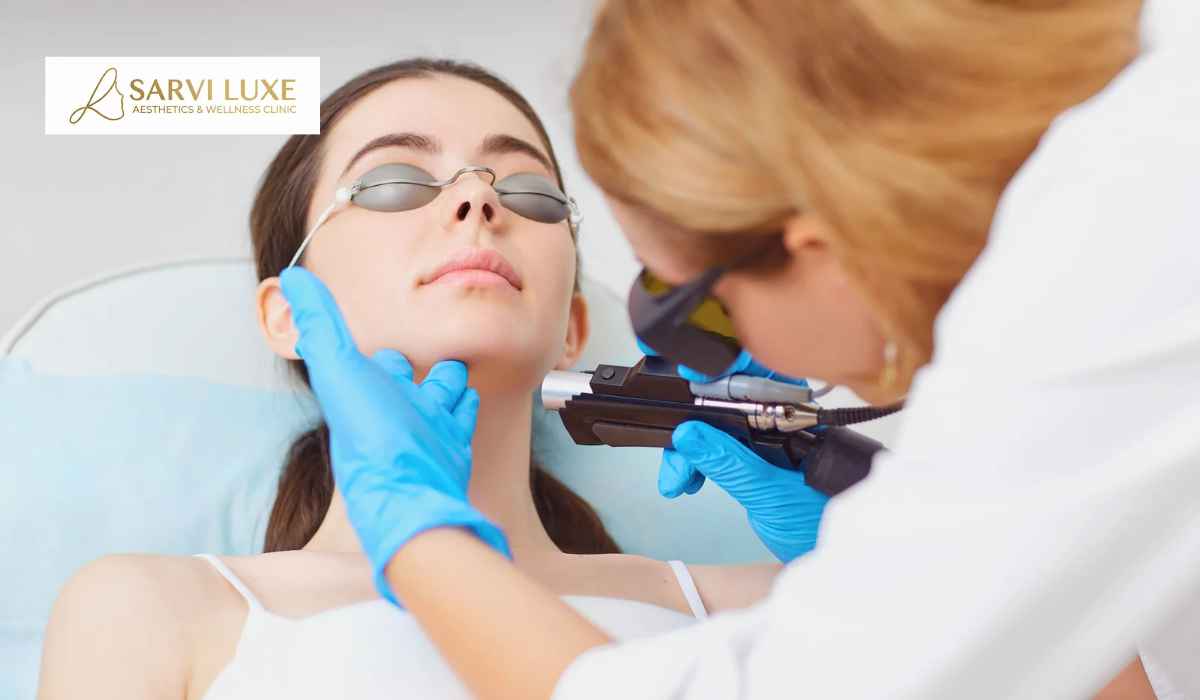
Professional treatments reach deeper skin layers where melanin can be concentrated. Chemical peels exfoliate superficial skin and stimulate cell turnover, fading pigmentation. Laser pigmentation removal targets melanin directly, breaking it up so the body can clear it. Skin brightening therapy uses various modalities to inhibit melanin production and stimulate clearing.
These treatments work better than topical creams because they address pigmentation more directly and comprehensively.
Melasma Versus Other Pigmentation
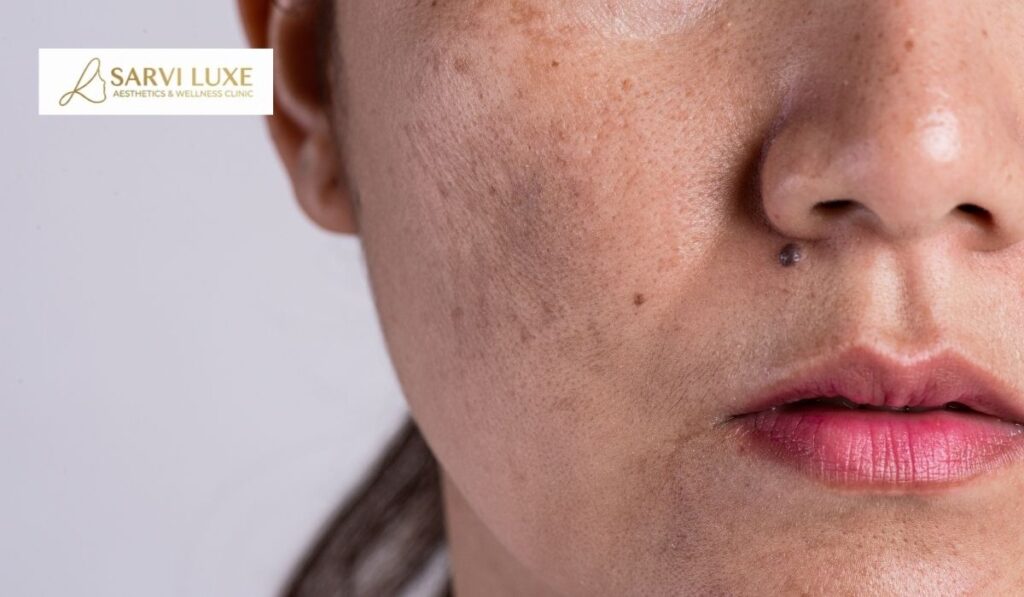
Melasma is pigmentation caused by hormone changes, often triggered by pregnancy or hormonal birth control. It involves widespread overproduction of melanin across facial areas, creating symmetric patches typically on cheeks, forehead, or upper lip.
Melasma is distinct from sun spots or other types of pigmentation. It’s more resistant to treatment than simple hyperpigmentation. It often recurs if hormones shift again. Treatment requires addressing not just the pigmentation but potentially the hormonal trigger.
Understanding Your Pigmentation Trigger
Before choosing treatment, understanding what’s causing your pigmentation matters. Ask yourself: When did it start? Was there a trigger like pregnancy, hormonal changes, sun exposure, or irritating products? Where is the pigmentation located? Is it spread across large areas or in isolated spots? How have you responded to treatments in the past?
The answers guide what treatment approach will work best for you.
Preventing Pigmentation Recurrence
Preventing recurrence is as important as treating existing pigmentation. Strict sun protection is critical. Pigmentation worsens with continued UV exposure. Sunscreen daily, protective clothing, and avoiding peak sun hours all help prevent pigmentation from returning or worsening.
If your pigmentation is hormonal, addressing or managing the hormonal factor helps prevent recurrence. If it’s stress-related, stress management helps. Understanding your trigger helps you manage it.
Combining Pigmentation Treatment with Other Skin Treatments
Many patients maintain their results between pigmentation sessions with a regular HydraFacial to keep skin bright and evenly toned.
Pigmentation treatment often works well combined with other skin treatments. Skin rejuvenation treatments address overall skin quality while treating pigmentation. HydraFacial combined with pigmentation treatment gives comprehensive skin improvement.
At Sarvi Luxe in Ashok Vihar, the team discusses whether combining treatments would benefit your overall skin health.
Timeline for Pigmentation Treatment Results
Results depend on the treatment used. Chemical peels show noticeable results within days to weeks. Laser treatments show gradual improvement over weeks as the body clears broken-up melanin. Skin-brightening therapies show gradual improvements over treatments.
Complete pigmentation clearing takes time. You’re not eliminating pigmentation in one session. You’re progressively fading it over multiple treatments and months.
Aftercare Following Pigmentation Treatment
Most pigmentation treatments require careful sun protection during and after the treatment process. Your skin is more photosensitive after treatment, and sun exposure can trigger new pigmentation or interfere with treatment results. Daily sunscreen, protective clothing, and careful avoidance of the sun are necessary.
Some treatments cause mild redness or flaking. This is temporary and part of the healing process. Gentle skincare products help while the skin is slightly sensitive.
Realistic Expectations About Pigmentation Treatment
Professional pigmentation treatment can significantly improve or eliminate existing pigmentation. But pigmentation can recur if triggers continue or if sun exposure accumulates. The goal is dramatic improvement in current pigmentation and prevention of new pigmentation through sun protection and trigger management.
Understanding that you’re managing pigmentation rather than permanently eliminating it helps you approach treatment realistically.
Conclusion
Professional pigmentation treatment in Ashok Vihar addresses dark spots and uneven skin tone effectively when combined with the prevention of future pigmentation. Results require commitment to sun protection and addressing underlying triggers.
Frequently Asked Questions
How many pigmentation treatments do I need to see results?
Results depend on the treatment type. Chemical peels show results within days to weeks. Laser treatments and skin-brightening therapies show gradual improvement over multiple sessions. Most people see noticeable improvement within 3 to 6 treatments.
Can pigmentation come back after treatment?
Yes, if sun protection isn’t maintained or if hormonal triggers continue. Strict sunscreen use, protective clothing, and managing triggers help prevent recurrence. Regular maintenance treatments might be needed.
Is pigmentation treatment safe for all skin types?
Professional pigmentation treatments are safe across different skin types when appropriate modalities and settings are used. At Sarvi Luxe in Ashok Vihar, treatment is customized for your specific skin type.
Can I use topical treatments alongside professional pigmentation treatment?
Yes. Topical lightening products can be combined with professional treatment for complementary effects. During consultation, discuss what you’re currently using so the treatment plan accounts for it.
CTA