Compression therapy has become a wellness buzzword. Athletes use it. Recovery enthusiasts swear by it. People dealing with leg swelling or heaviness seek it out. But what compression therapy actually does, who genuinely benefits from it, and whether it’s worth the investment for your specific situation is less clear than the marketing suggests. Understanding the science behind compression therapy and how it specifically applies to your body helps you decide whether it’s appropriate for you or if other approaches would better address what you’re experiencing.
Sarvi Luxe, an aesthetic and wellness clinic in Ashok Vihar, Delhi, offers compression therapy as part of its comprehensive treatment approach for body wellness and recovery. Their team understands that compression therapy isn’t a one-size-fits-all treatment. It works for specific conditions and specific body types. This blog explains what compression therapy actually does and who benefits most.
What Compression Therapy Actually Does Physiologically
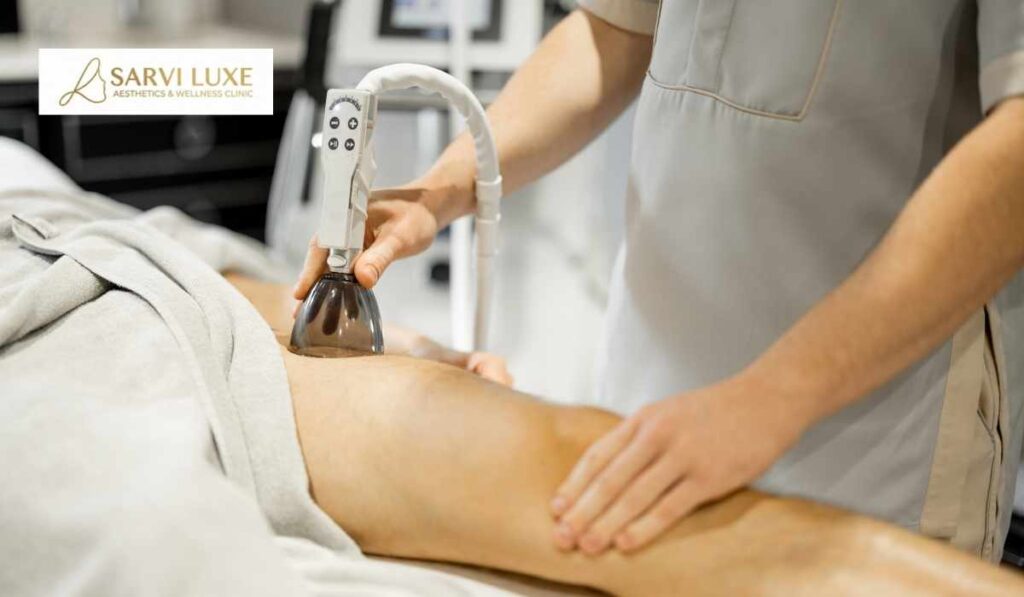
Compression therapy applies graduated pressure to your limbs, typically your legs, using specialized sleeves or garments. The pressure isn’t uniform. It’s greatest at the ankle and gradually decreases moving up the leg. This graduated pressure creates specific physiological effects.
The primary effect is improved venous return. Your veins in the legs work against gravity to push blood back toward your heart. When you’re standing or sitting for long periods, blood can pool in your leg veins, causing swelling, heaviness, and that uncomfortable feeling of sluggish circulation. Compression applies external pressure that helps push blood back up toward your heart more efficiently. This reduces the pooling and swelling that comes from poor venous return.
Compression also affects lymphatic drainage. Your lymphatic system removes excess fluid from tissues. When lymph movement is sluggish, fluid builds up and creates puffiness and swelling. Compression facilitates lymphatic movement, helping fluid drain more effectively. This is why compression is used after surgical procedures like liposuction or body contouring. The compression helps control post-operative swelling.
Additionally, compression reduces inflammation at the tissue level. By controlling swelling and improving circulation, it reduces the inflammatory response that contributes to pain and discomfort. This is why compression helps with certain types of leg pain and heaviness.
Who Actually Benefits From Compression Therapy
Compression therapy benefits people with specific conditions much more than it benefits the general population seeking wellness. People with chronic venous insufficiency, where veins aren’t returning blood efficiently, benefit significantly. Compression addresses the root issue by providing external assistance to circulation.
People with lymphedema, where the lymphatic system isn’t draining properly, find meaningful relief with compression. Post-operative compression after procedures like fat reduction treatment or body contouring helps control swelling and allows faster recovery.
People experiencing leg swelling from prolonged sitting or standing, such as long flights or office jobs, benefit from compression during and after these activities. The compression prevents the swelling that accumulates from poor circulation during stasis.
Athletes and active people use compression for recovery and performance, though the evidence for performance enhancement is mixed. What compression clearly does is improve post-workout recovery by enhancing circulation and reducing inflammation.
The Difference Between Compression Therapy and Over-the-Counter Compression Garments
Drugstore compression socks and sleeves provide some compression but often apply uniform pressure rather than graduated pressure. Clinical compression therapy uses medically graded garments with proper graduated pressure designed specifically for therapeutic effect. The difference is significant.
Proper compression therapy applies sufficient pressure in the right places to create the physiological effects described above. Over-the-counter garments often feel snug but don’t deliver the graduated pressure required for therapeutic benefit. Additionally, clinical compression therapy is paired with guidance about how to use compression effectively, how often to wear it, and what results to expect.
At Sarvi Luxe in Ashok Vihar, compression therapy is provided with proper assessment and guidance, ensuring you’re getting therapeutic compression rather than just wearing something that feels tight.
When Compression Therapy Works Best
Compression therapy works best when used consistently and appropriately for the right condition. If you have leg swelling from poor circulation, wearing compression regularly will measurably reduce that swelling. If you’re recovering from a cosmetic procedure, compression during the specified recovery period reduces swelling and speeds healing. If you travel frequently and deal with leg swelling from flights, wearing compression during and after flying helps prevent swelling.
Compression therapy doesn’t work for all types of leg pain or swelling. If your leg swelling comes from an inflammatory condition like rheumatoid arthritis, compression helps manage the swelling but doesn’t address the underlying inflammation. If your leg pain comes from nerve issues, compression won’t resolve the pain. The underlying cause matters.
Combining Compression Therapy with Other Treatments
Some patients also pair compression sessions with a lymphatic drainage massage to further support circulation and reduce fluid retention.
Compression therapy works synergistically with other wellness approaches. After body contouring treatment, compression combined with lymphatic drainage massage or movement speeds recovery. For chronic leg swelling, compression combined with lifestyle modifications like leg elevation and movement often works better than compression alone.
Compression therapy is often combined with weight management, dietary changes, and activity modifications for comprehensive leg wellness. At Sarvi Luxe in Ashok Vihar, the approach is holistic, combining compression with other evidence-based treatments appropriate for your specific situation.
How Long Does Compression Therapy Take to Show Results?
The timeline varies depending on your condition and how consistently you use compression. Post-operative swelling often reduces noticeably within days to weeks of proper compression use. Chronic leg swelling from venous insufficiency shows gradual improvement over weeks of consistent compression use. Some people notice immediate relief from the sensation of heaviness, while others see measurable swelling reduction over time.
Consistency matters more than intensity. Wearing graduated compression garments regularly works better than occasional intensive treatment. The benefit builds with consistent use.
Is Compression Therapy Worth the Investment?
For people with specific conditions like venous insufficiency, lymphedema, or post-operative swelling, compression therapy is absolutely worth the investment. It addresses the root issue and produces measurable improvement. For someone dealing with everyday leg swelling from lifestyle, compression helps but is most effective combined with other approaches like movement, elevation, and potentially weight management.
For athletic recovery in people without specific swelling issues, the evidence for compression benefit is less clear. If you enjoy using compression and feel better with it, the benefit might justify the cost. If you’re skeptical, focusing on sleep, hydration, movement, and nutrition might provide similar recovery benefits at a lower cost.
At Sarvi Luxe in Ashok Vihar, the team discusses with you whether compression therapy is appropriate for your specific situation or whether other approaches would better address what you’re experiencing.
Conclusion
Compression therapy is a legitimate treatment for specific conditions involving poor circulation or swelling, not a universal wellness product for everyone. Whether it’s appropriate for your situation depends on what you’re actually experiencing and what underlying causes are contributing to your symptoms.
Frequently Asked Questions
How often should I wear compression garments for the best results?
The frequency depends on your condition. For post-operative swelling, compression is typically worn consistently during the initial recovery period. For chronic conditions, daily wear provides the best results. Your therapist at Sarvi Luxe in Ashok Vihar will advise based on your specific situation.
Can compression therapy replace other treatments for leg swelling?
Compression helps manage swelling, but addressing the underlying cause is important. If you have venous insufficiency, compression helps but might be combined with lifestyle modifications. If your swelling comes from a medical condition, that condition needs treatment alongside compression.
Are there any risks or downsides to compression therapy?
Compression therapy is generally safe for most people. Improper use or compression that’s too aggressive can cause skin irritation or discomfort. Proper fit and guidance ensure safety. People with certain circulatory conditions should discuss compression with their healthcare provider before starting.
How is compression therapy different from other swelling reduction treatments?
Compression is mechanical, working through external pressure to improve circulation. Other treatments like body contouring or inch loss therapy use different mechanisms. The best approach depends on your specific situation and underlying causes.
CTA